LUNAR DATA ANALYSIS

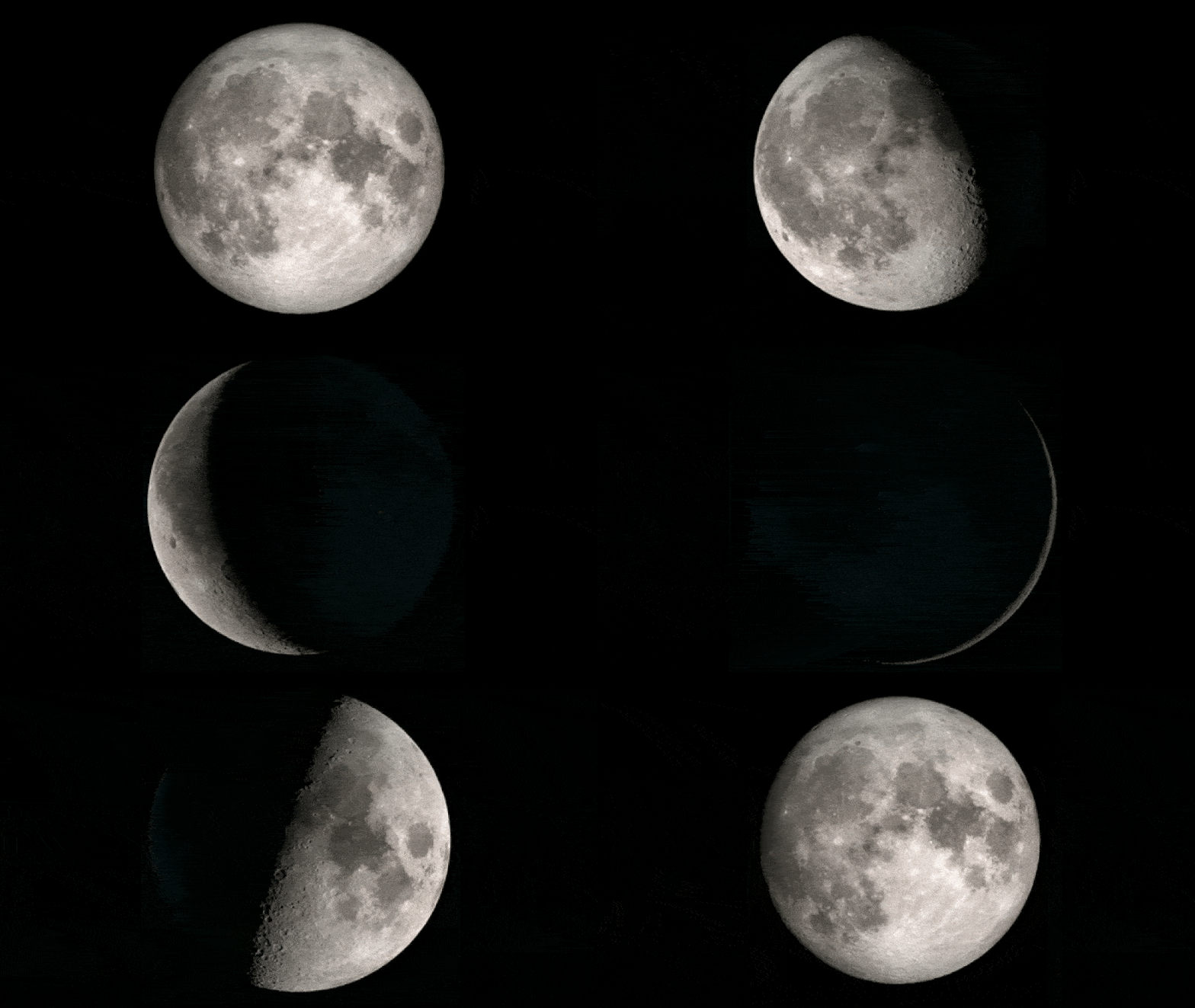
Lunar Data Analysis is the processing and interpreting scientific data from lunar missions to understand the Moon's composition, internal structure, and interaction with Earth, supporting scientific discovery and future mission planning.
Upon completion Topic 1, participants will be able to:
a) Understanding the origin, composition, and evolution of the Moon, covering its rocks, volcanism, impact craters, and surface features to prepare for future exploration.
b) Describe the remote sensing data, understanding lunar processes and planetary formation within our solar system.

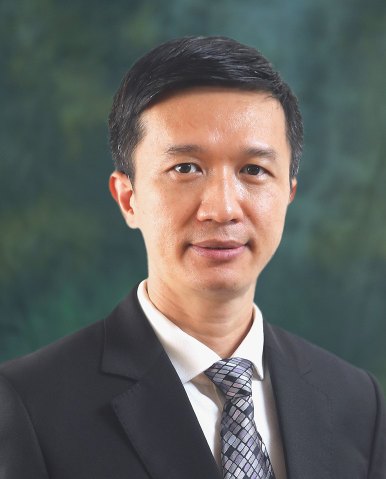
Professor at the China University of Geosciences (WUHAN). Expertise at Planetary Geology and Comparative Planetology.
Upon completion Topic 2, participants will be able to:
a) Understanding the use of various datasets, software, and models to create detailed maps of the Moon, which are essential for scientific research, landing site selection, resource identification and planning future lunar missions and infrastructure.
b) Understanding the terrain data, composition, temperature and other environmental factors critical for robotic and human exploration.
Fiona Cheung Professor in Spatial Science, Director - Planetary Remote Sensing Laboratory, Director - Photogrammetry and Robotic Vision Laboratory, Associate Head (Research) - Department of Land Surveying & Geo-Informatics, Associate Director - Research Centre for Deep Space Explorations / Hong Kong Polytechnic University.
Upon completion Topic 3, participants will be able to:
a) Understanding how impacts form craters and how crater counts are used to determine the ages of surfaces on bodies like the Moon.
b) Describe the crater size and density to date surfaces, using calibration points from the Moon's known age, and also consider factors like secondary craters and resurfacing processes that can complicate age determinations.
Associate Professor and Researcher on Microwave Remote Sensing, Lunar and Planetary Sciences at Pekin University.

Upon completion Topic 4, participants will be able to:
a) Understanding the Chang'E-1 as the first lunar exploration mission of China and one of its most important scientific objectives was to determine the lunar 3D topographic maps.
b) Understanding the Laser Altimeter Mission (LAM) mainly used to obtain the distance between the satellite and its nadir point, which can assist to produce the lunar 3D maps and topographic models.
Ph.D. degree in astromechanics and astrogeodesy from Shanghai Astronomical Observatory, Chinese Academy of Sciences, Shanghai, China. Associate Professor with the School of Geophysics and Geomatics, China University of Geosciences, Wuhan, China. Researcher focuses on integrated studies of remote sensing geology and internal structures of the Moon and Mars, particularly investigating the morphological characteristics and formation mechanisms oflarge shield volcanoes.
Understanding and using various datasets from lunar missions to study the planetary processes, volatile cycles, and the Moon's impact history, supporting future exploration.
Note:
If you are interested to be registered on the following course, please complete the application form with your personal information making click on the REGISTRATION button below and send it to receive a User & Password.

*Upon completion of the selected course, participants must take a final assessment in order to obtain their academic certificate, and they will have one hour to complete the assessment as well as two opportunities to pass it.
Availability: 2026-01-01 from to 2026-12-31
Mode: ONLINE RECORDED
Topics: 6
Lecturers: 6
Vacancies: 50